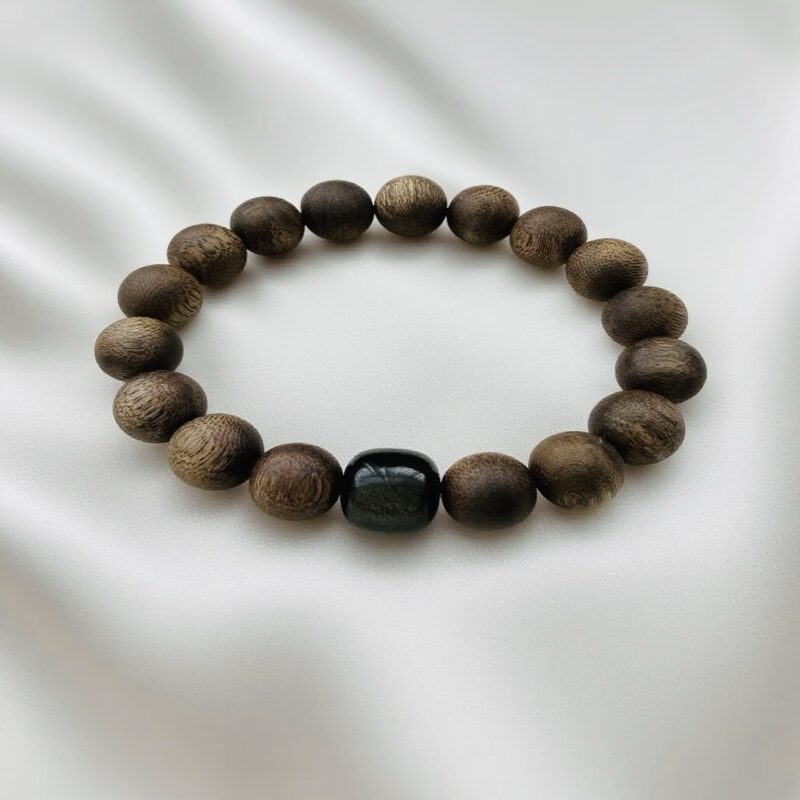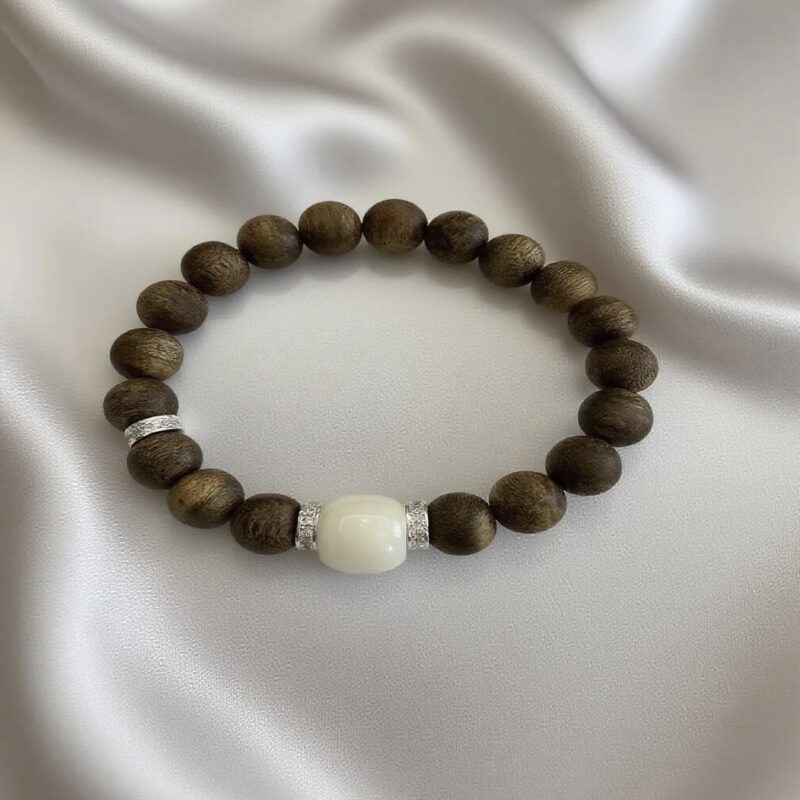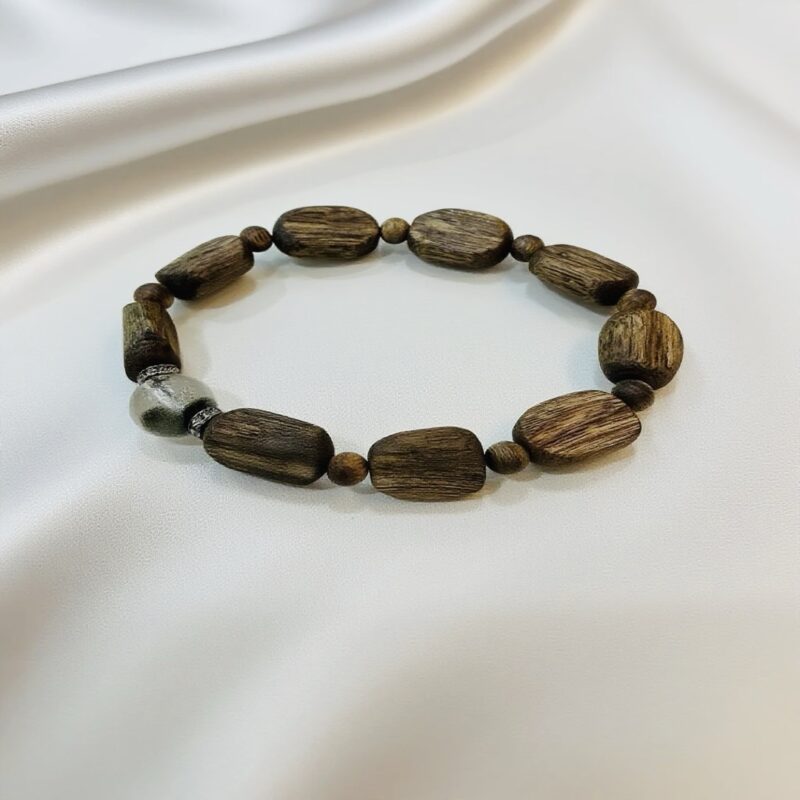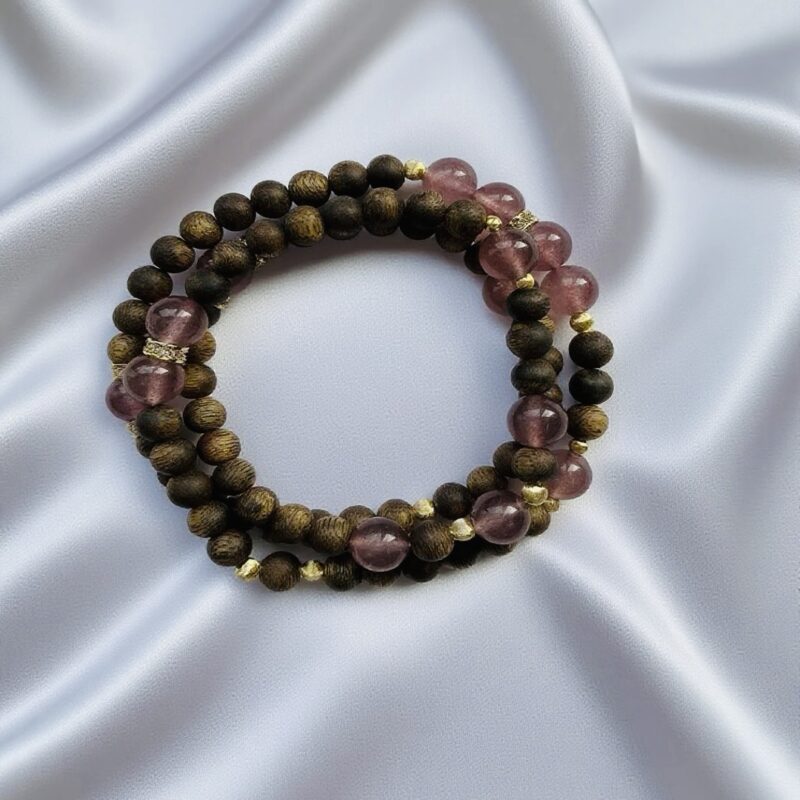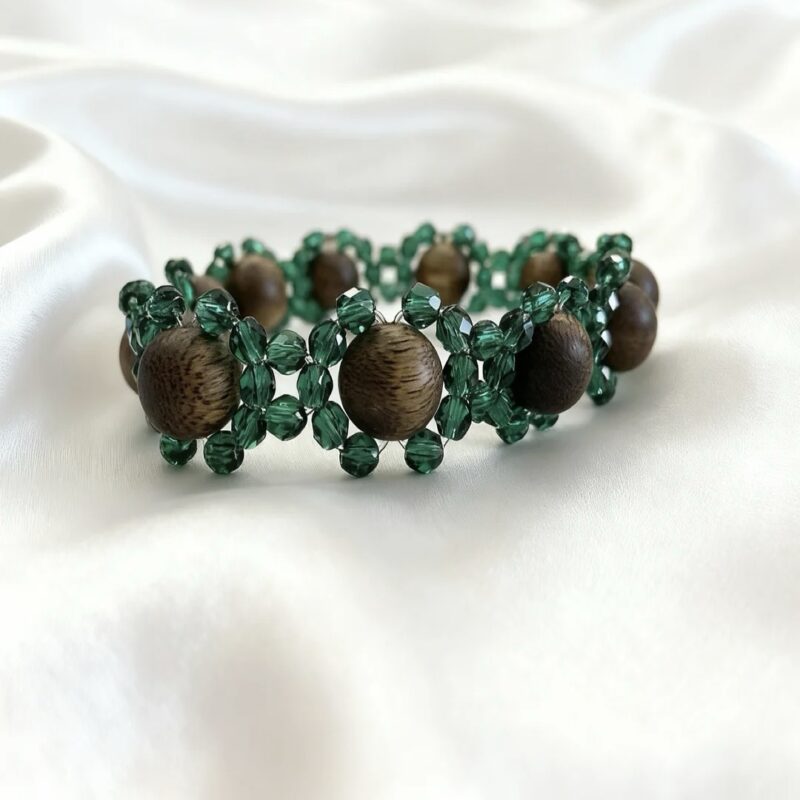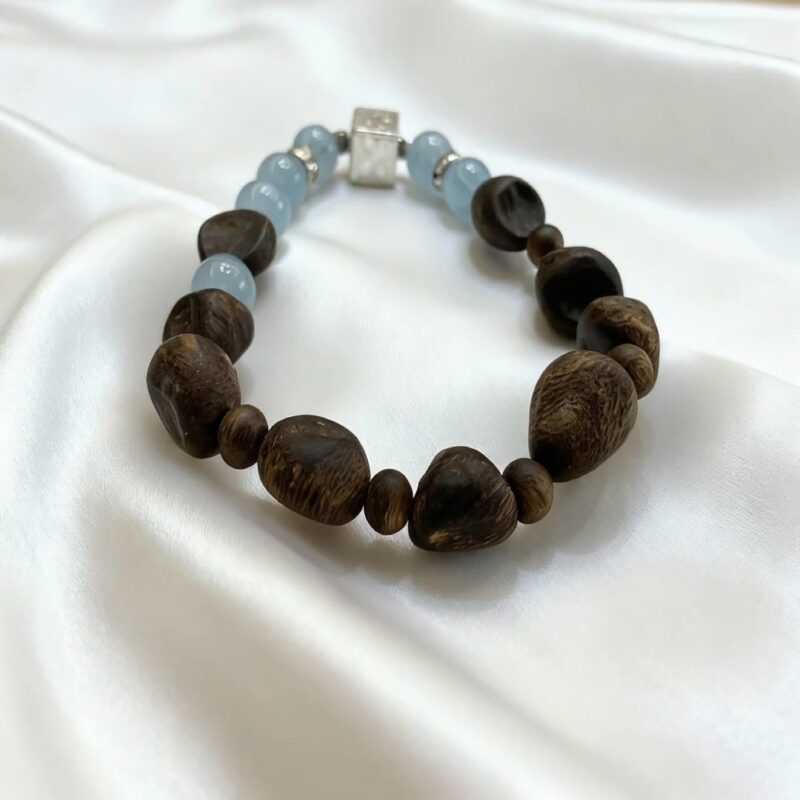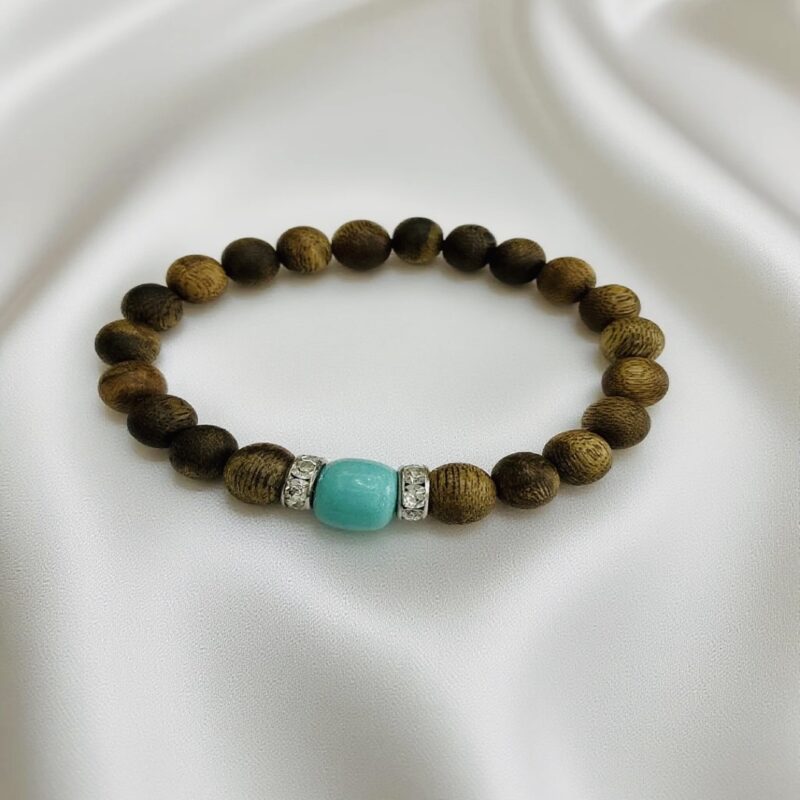

Selection of oil-free agarwood bracelets

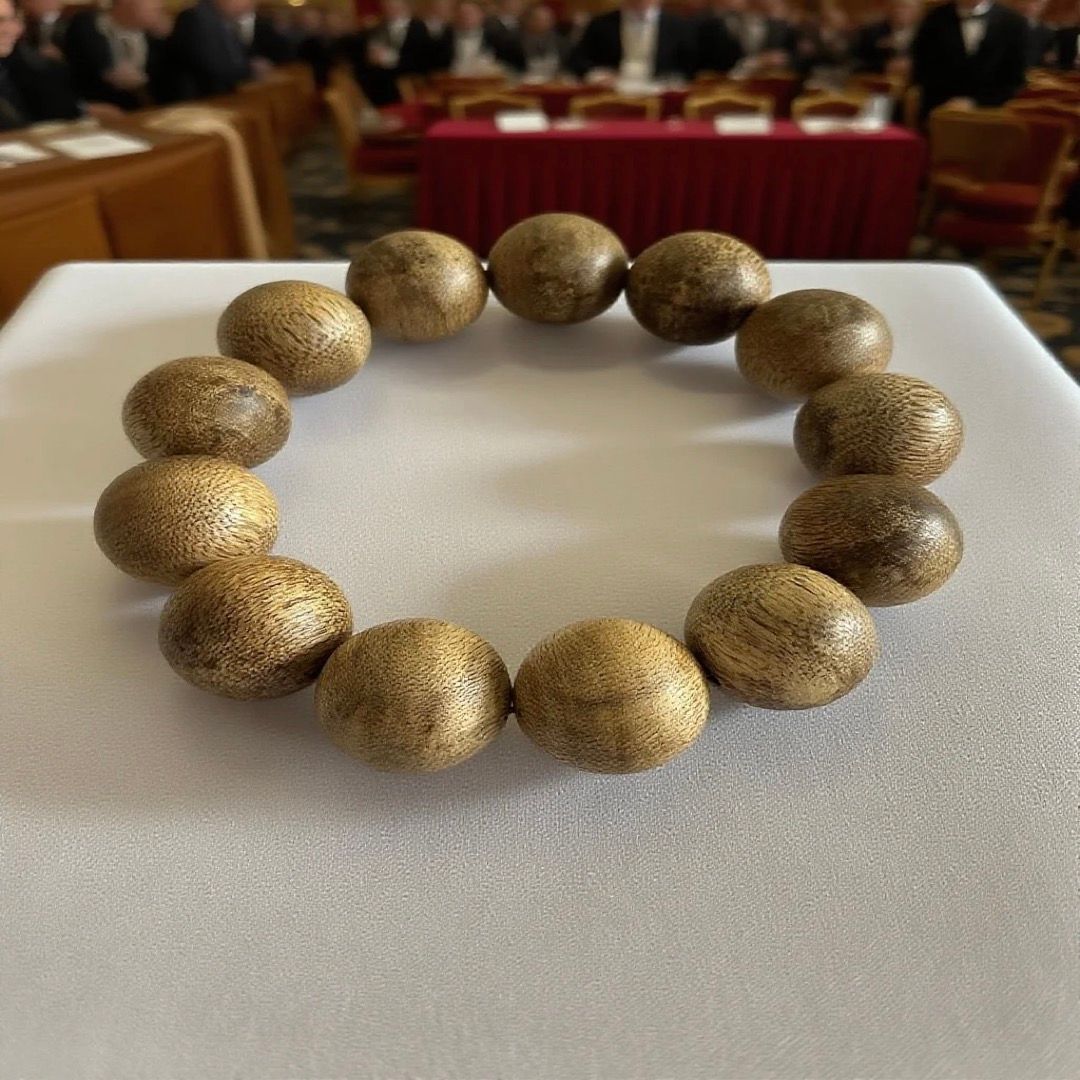
A Guide to Selecting Unsoaked Agarwood Bracelets
Understanding the Basics of Agarwood Bracelets
Agarwood, also known as oud, forms when the Aquilaria tree secretes resin to heal wounds from insect bites, fungal infections, or physical damage. This resin-infused wood, aged over decades, develops a unique fragrance and texture. Unlike plain agarwood logs, which lack resin and are lightweight, genuine agarwood bracelets derive value from their resin content. Beginners often confuse untreated agarwood with artificially soaked alternatives. Authentic pieces display natural oil lines and a subtle, enduring aroma, while soaked versions may smell overly strong or fade quickly.
When selecting an agarwood bracelet, prioritize natural resin distribution. Observe the wood’s surface under natural light—genuine pieces reveal irregular oil patterns, resembling ink bleeding into paper, whereas soaked ones often show uniform, artificial-looking streaks. Additionally, touch the bracelet: natural agarwood feels slightly oily yet cool to the touch, even when warmed by your hands, while soaked versions may feel sticky or excessively smooth.
Evaluating Resin Content and Texture
The resin content directly impacts an agarwood bracelet’s quality and fragrance. High-resin pieces, often referred to as “sinking agarwood” due to their density, sink in water, while lower-grade versions float. However, avoid assuming all sinking pieces are superior; some merchants artificially increase density by injecting heavy substances. Instead, focus on the bracelet’s texture. Genuine agarwood has a fibrous, layered structure visible in cross-sections, while soaked alternatives may appear homogenous or brittle.
To assess resin quality, examine the oil lines. Natural agarwood displays thin, winding lines that vary in color from golden to dark brown, creating a marbled effect. These lines should appear embedded within the wood, not painted on. Soaked bracelets, by contrast, often have thick, straight lines that lack depth, as if stamped onto the surface. Additionally, gently scrape a small area with a needle—natural resin will flake slightly, revealing a darker layer beneath, while soaked versions may peel or reveal plain wood.
Identifying Authentic Fragrance Profiles
Agarwood’s fragrance is its most defining feature, evolving with temperature and time. Authentic pieces emit a subtle, layered scent that grows richer when warmed by body heat. Common notes include sweet, woody, and slightly medicinal undertones, with variations based on origin. For instance, Vietnamese agarwood often carries a cool, floral sweetness, while Indonesian varieties lean toward earthy, spicy tones.
Beware of bracelets with overly intense or one-dimensional fragrances. Soaked versions may smell strongly of chemical perfumes or lack complexity, fading within hours. To test authenticity, rub the bracelet gently between your palms for 10–15 seconds, then inhale deeply. Natural agarwood should release a warm, nuanced aroma, while soaked pieces may smell burnt or artificial. Additionally, avoid bracelets that leave a strong scent on your skin or clothing, as this indicates synthetic additives.
Selecting Based on Origin and Aging Process
Agarwood’s origin influences its fragrance and texture, with regions like Vietnam, Cambodia, and Indonesia producing distinct varieties. Vietnamese agarwood, particularly from Quang Nam Province, is prized for its balanced sweetness and cool undertones, making it ideal for daily wear. Cambodian agarwood, often darker and denser, offers a deeper, more resinous aroma, while Indonesian pieces tend to have a bolder, spicier profile.
The aging process also plays a crucial role. Naturally aged agarwood, stored in humid environments for years, develops a richer fragrance and smoother texture compared to artificially accelerated alternatives. Look for bracelets with a matte finish and subtle cracks, signs of long-term aging. Avoid overly glossy or uniformly colored pieces, which may have been polished or dyed to mimic aged wood. When in doubt, ask the seller about the bracelet’s provenance and aging history—reputable sources will provide detailed information to verify authenticity.