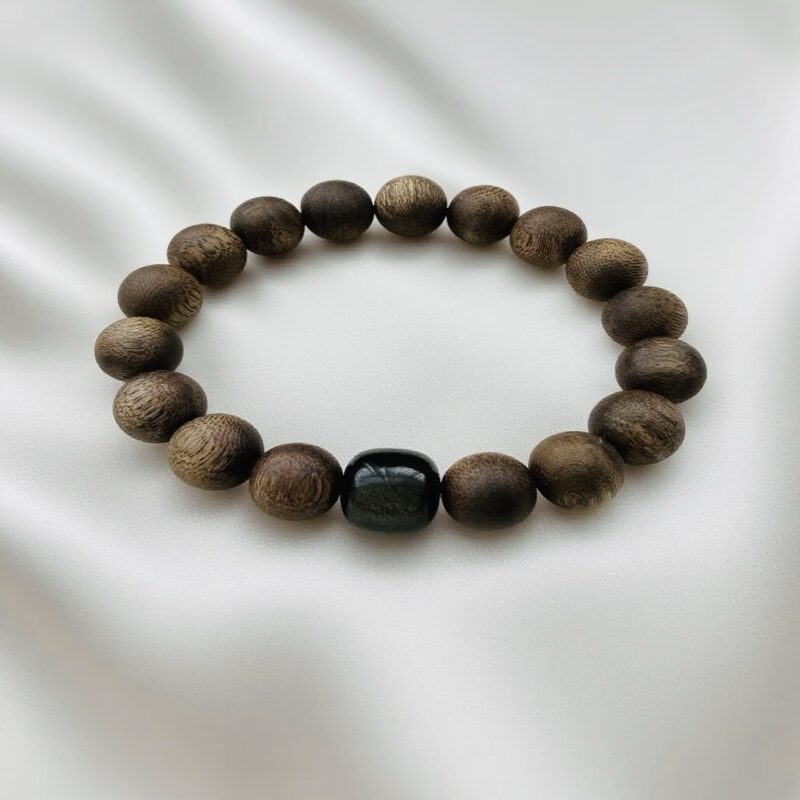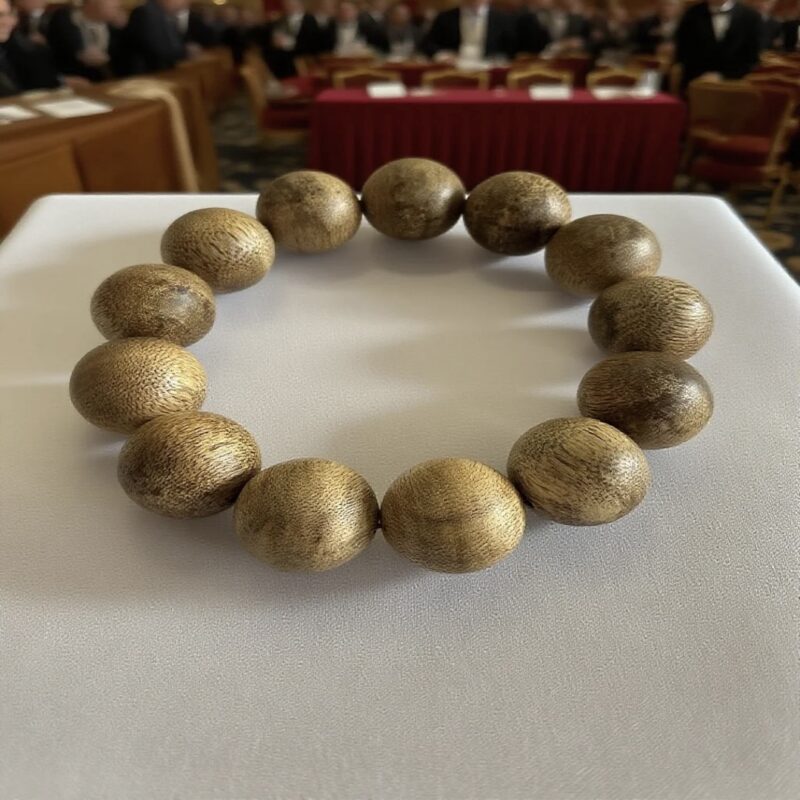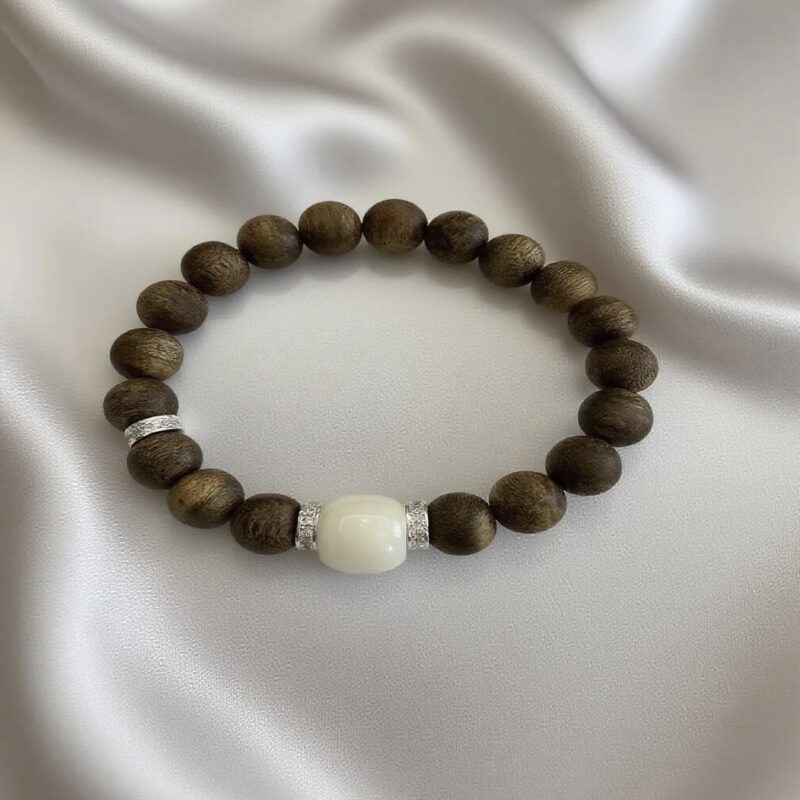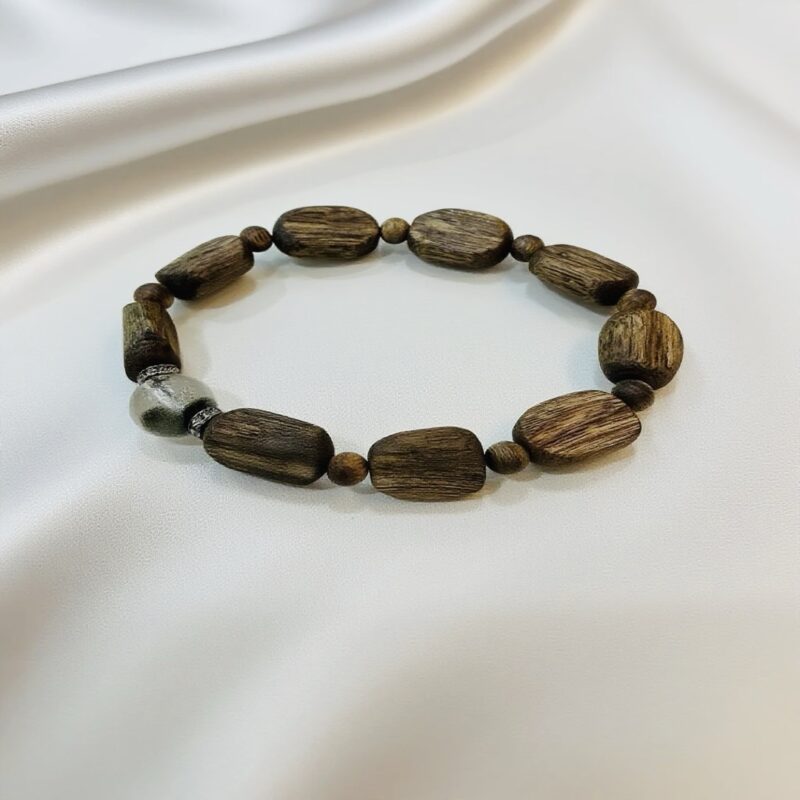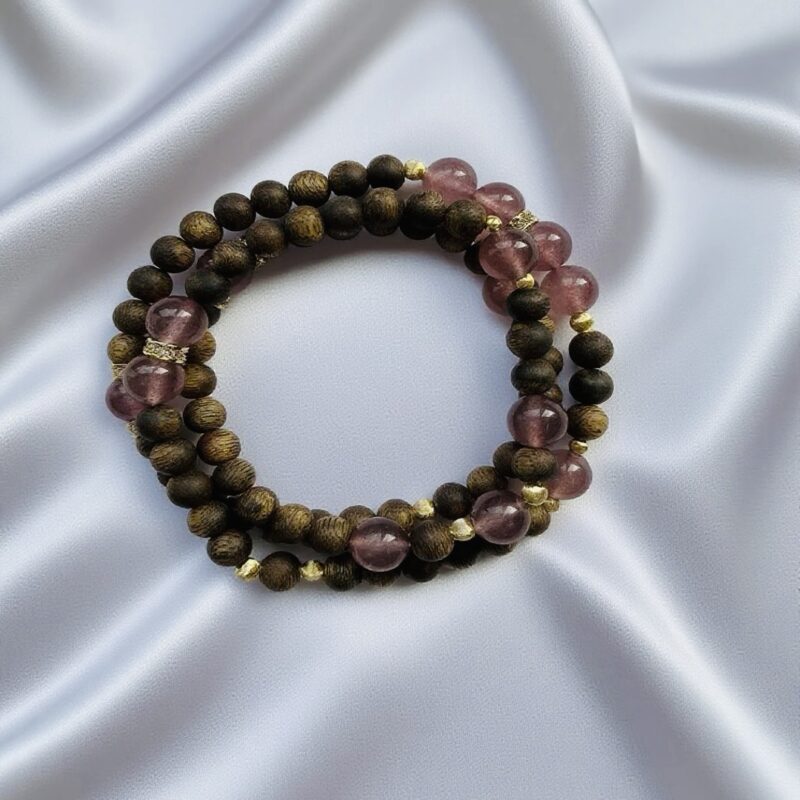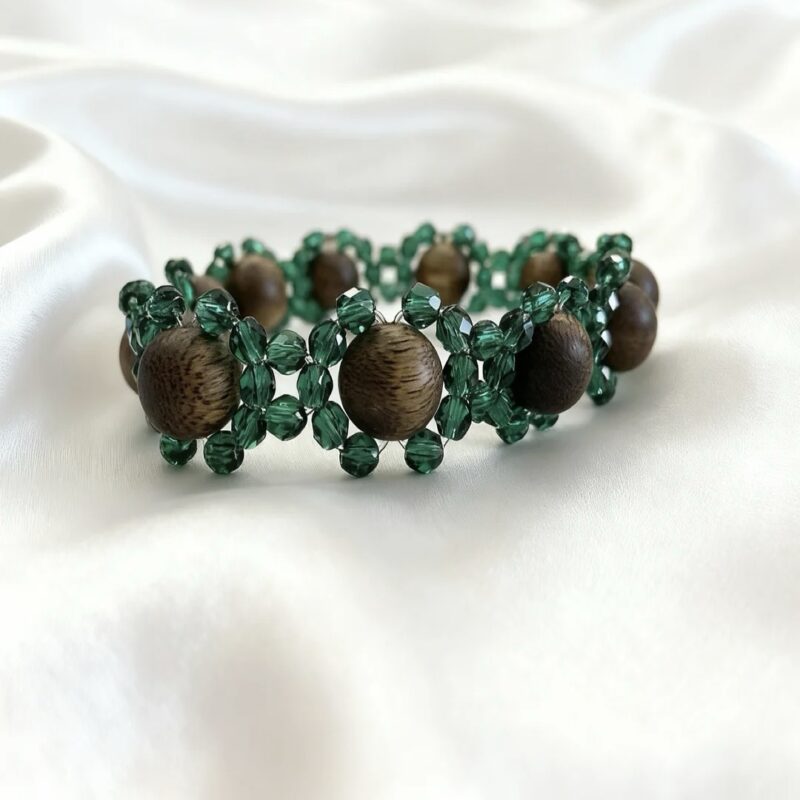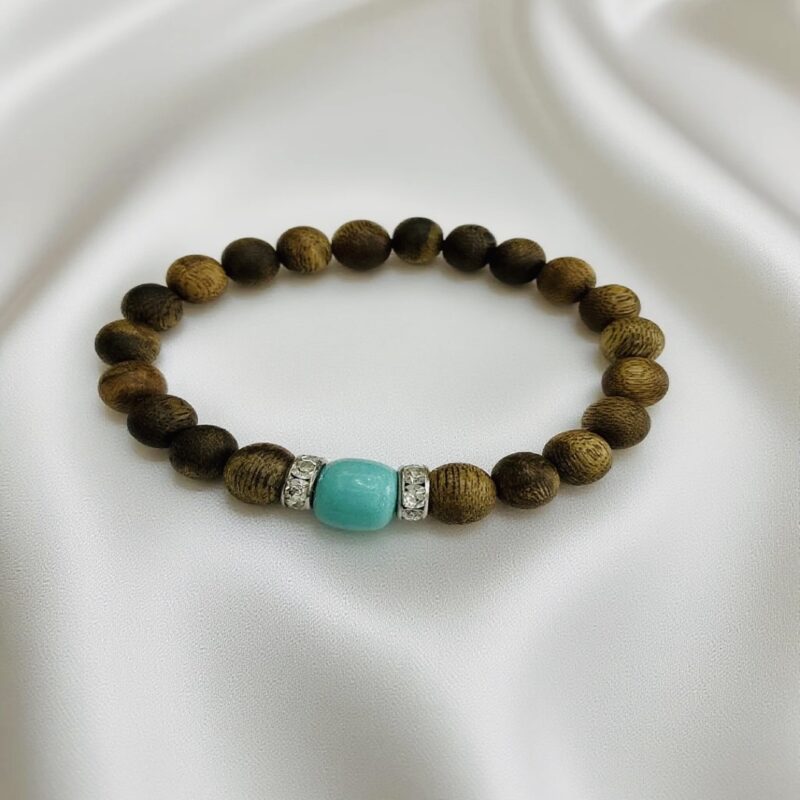

Observation of the oil thread on the agarwood bracelet

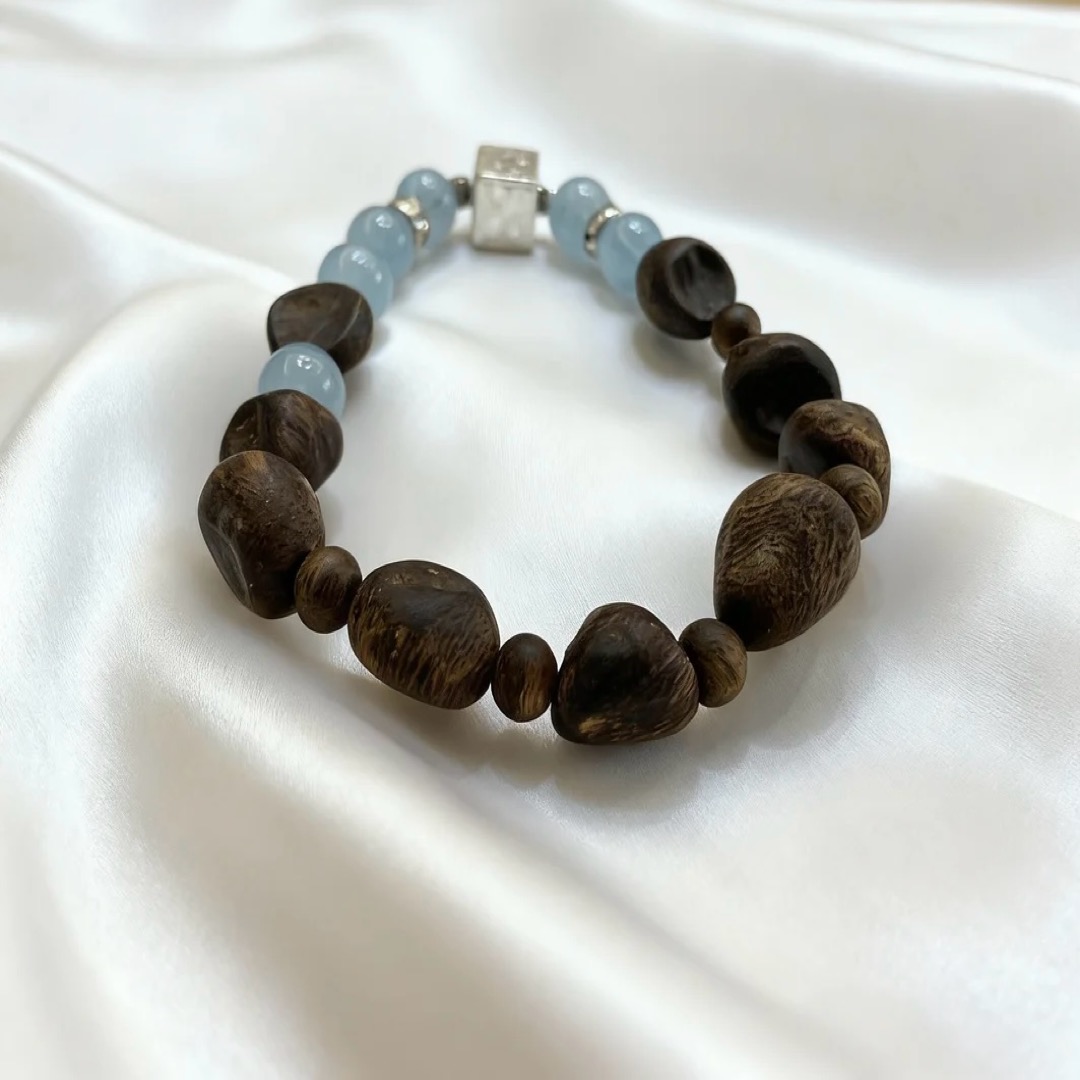
How to Examine Oil Lines in Agarwood Bracelets: A Detailed Visual Guide
Agarwood, prized for its aromatic resin and unique wood grain, develops oil lines as a result of natural fungal infection and resin secretion. These lines, also called “oil veins,” are critical indicators of authenticity and quality. This guide explains how to observe and interpret oil lines in agarwood bracelets, focusing on their formation, patterns, and distinguishing features.
Understanding Oil Line Formation in Agarwood
Oil lines are not artificially created—they emerge through a slow, organic process. When Aquilaria trees are infected by fungi or injured, they produce resin as a defense mechanism. Over decades, this resin infiltrates the wood’s vascular system, creating dark, irregular patterns.
The Role of Resin Accumulation
Resin doesn’t distribute evenly. It pools in certain areas, forming thicker lines, while other sections remain lighter. This unevenness is a hallmark of genuine agarwood. Synthetic or treated pieces often lack this natural variation, displaying uniform or overly symmetrical patterns.
Environmental Influences
Factors like soil composition, climate, and tree age affect oil line development. For example, agarwood from tropical regions may have bolder, more pronounced lines, while those from cooler climates exhibit finer, subtler patterns. Understanding these regional traits helps identify inconsistencies in fake pieces.
Visual Characteristics of Authentic Oil Lines
Authentic oil lines possess distinct features that set them apart from counterfeits. Here’s what to look for:
1. Irregular Shapes and Sizes
Natural oil lines are rarely straight or uniform. They twist, branch, and vary in width, resembling veins or rivers. If a bracelet shows perfectly parallel or identical lines, it’s likely artificial.
2. Depth and Layering
Genuine oil lines penetrate the wood’s surface, creating a three-dimensional effect. When viewed under magnification, they appear embedded within the grain rather than painted or stamped on. Fakes often have flat, superficial lines that lack depth.
3. Color Transitions
Oil lines transition smoothly from dark to light, blending into the surrounding wood. There are no abrupt edges or harsh contrasts unless the piece has been dyed. Use a magnifying glass to check for color bleeding—a sign of artificial enhancement.
Common Oil Line Patterns and Their Meanings
Different patterns indicate varying levels of resin saturation and aging. Familiarizing yourself with these can help assess quality.
Spiderweb Patterns
Thin, interconnected lines resembling a spider’s web suggest high resin content and slow aging. These patterns are rare and highly sought after, as they form only in mature trees with prolonged infection.
Linear or Streaky Patterns
Straight or slightly curved lines indicate moderate resin accumulation. These are common in mid-grade agarwood and still signify authenticity, though they may lack the complexity of spiderweb designs.
Cloud-Like or Patchy Patterns
Irregular, cloud-shaped clusters of oil lines often appear in lower-grade agarwood. While less valuable, they’re still genuine if they show natural variation and depth.
How to Spot Fake Oil Lines
Counterfeiters use various methods to mimic oil lines, but close inspection reveals flaws.
1. Dye Injection
Artificial dyes create uniform, overly vibrant lines that lack natural texture. To test, rub the bracelet with a white cloth—dye may transfer, revealing the fake.
2. Laser Engraving
Laser-cut lines are precise and shallow, often accompanied by burn marks or a plastic-like sheen. Authentic oil lines are organic and never perfectly symmetrical.
3. Resin Compression
Some fakes compress wood powder with synthetic resin to mimic oil lines. These pieces feel unusually heavy and lack the porous texture of real agarwood.
Advanced Techniques for Oil Line Analysis
For uncertain cases, these methods provide deeper insight.
Microscopic Examination
A 10x magnifying glass or microscope reveals details invisible to the naked eye. Look for cellular structures within the oil lines—real agarwood shows resin-filled cells, while fakes display empty or artificially filled spaces.
UV Light Test
Authentic agarwood oil lines may fluoresce slightly under UV light due to natural resin compounds. Fakes with synthetic dyes often glow brightly or unevenly.
Smell Test
Gently heat a small area (e.g., with a warm needle) to release the aroma. Real oil lines emit a clean, woody scent, while fakes produce chemical or burnt plastic odors.
Practical Tips for Buyers
- Avoid “perfect” patterns: Natural oil lines always have imperfections.
- Check for consistency: Oil lines should vary in density and direction across the bracelet.
- Ask for close-up photos: Sellers should provide detailed images showing oil line texture and depth.
By mastering oil line observation, you can confidently distinguish genuine agarwood bracelets from counterfeits. Remember: authenticity lies in the details, and nature never repeats itself perfectly.