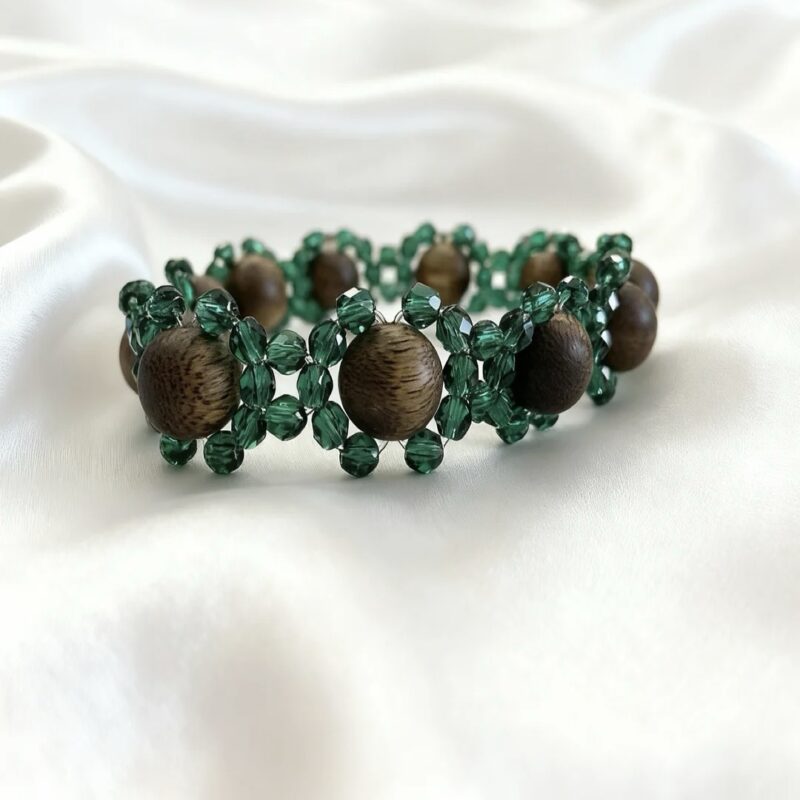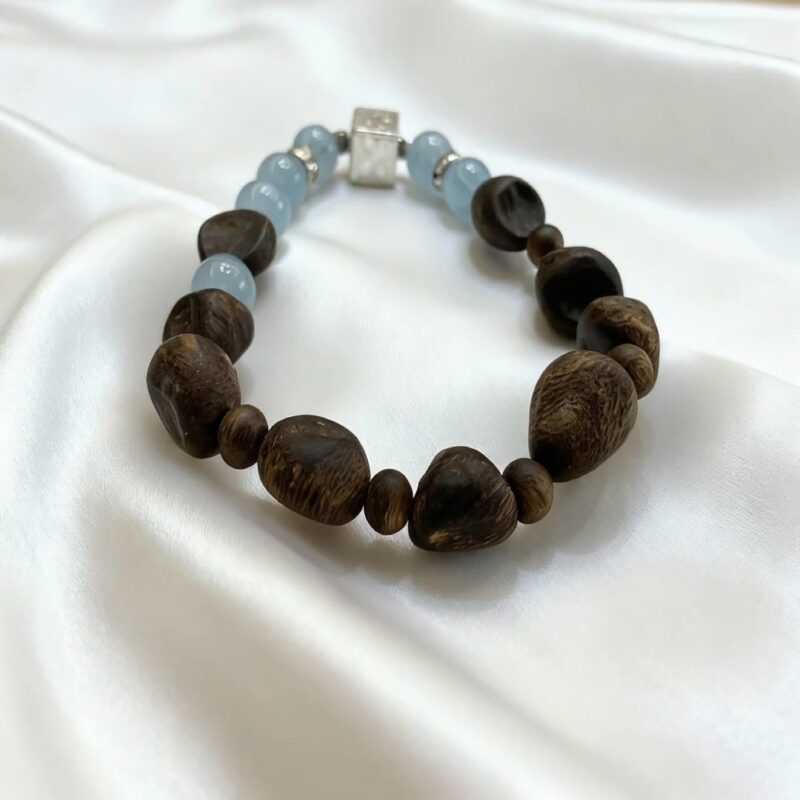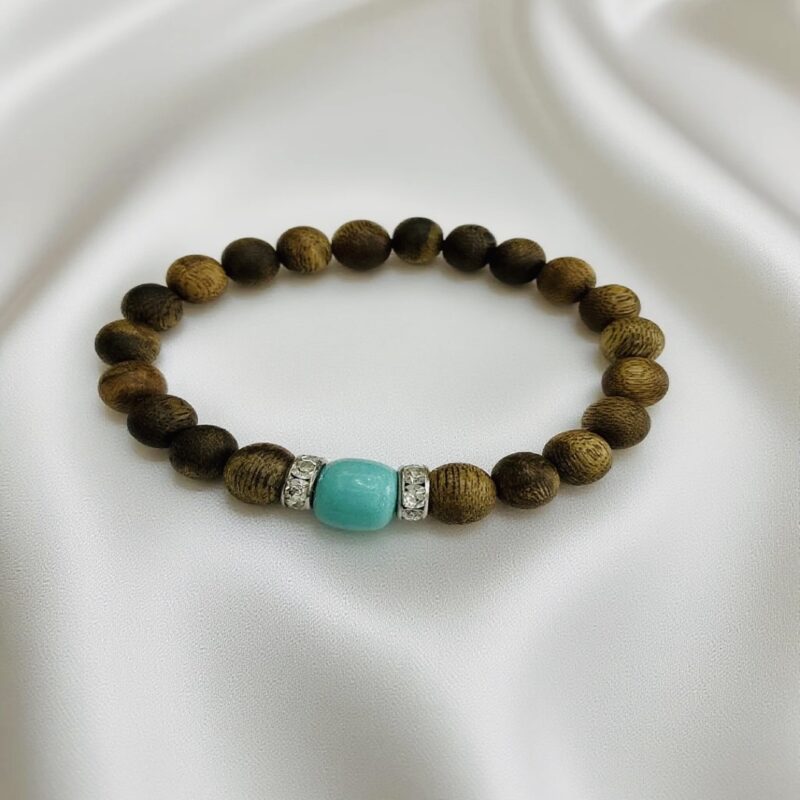

Grain identification of agarwood bracelets

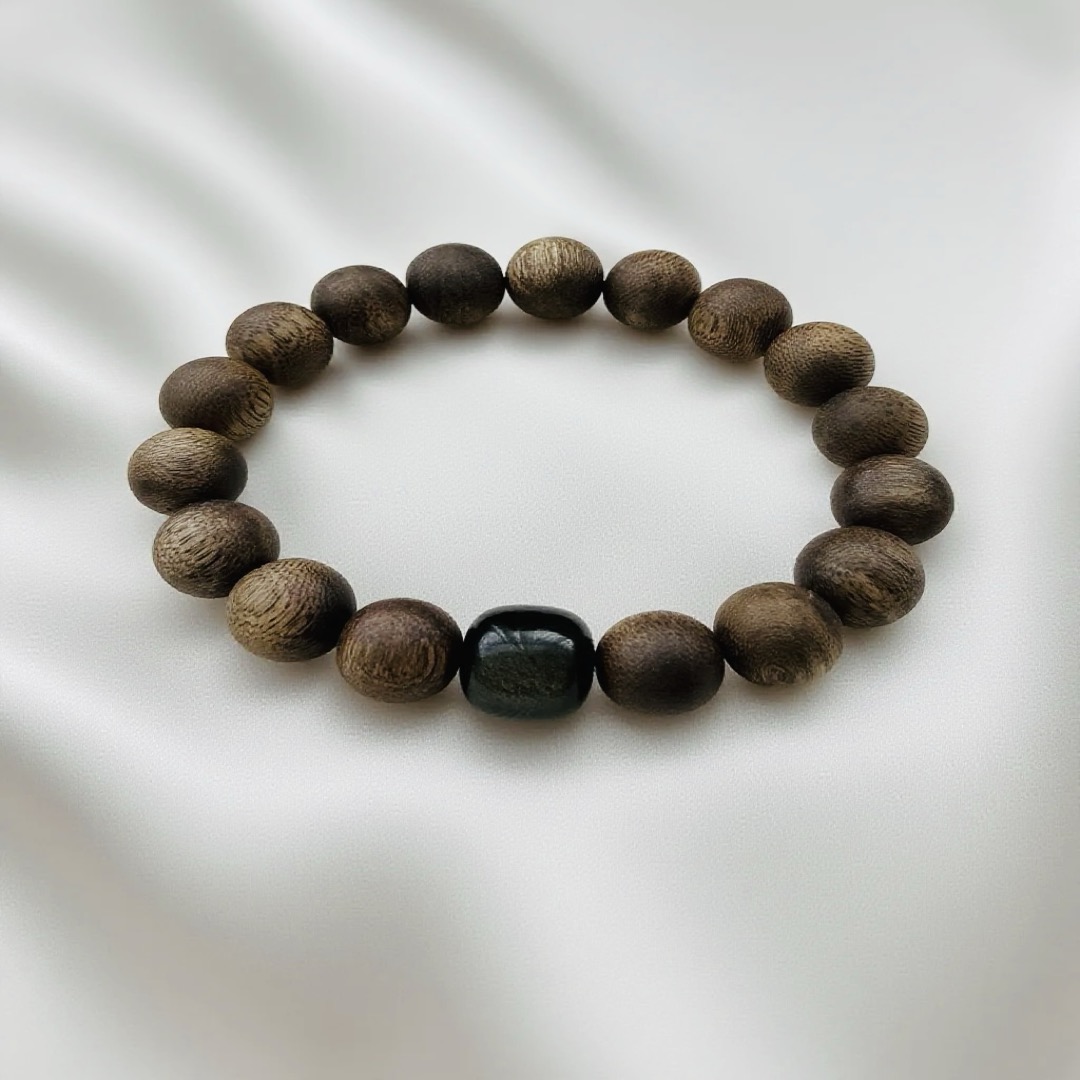
How to Identify Authentic Agarwood Bracelet Grain Patterns: A Visual Guide for Buyers
Understanding Natural Agarwood Grain Formation
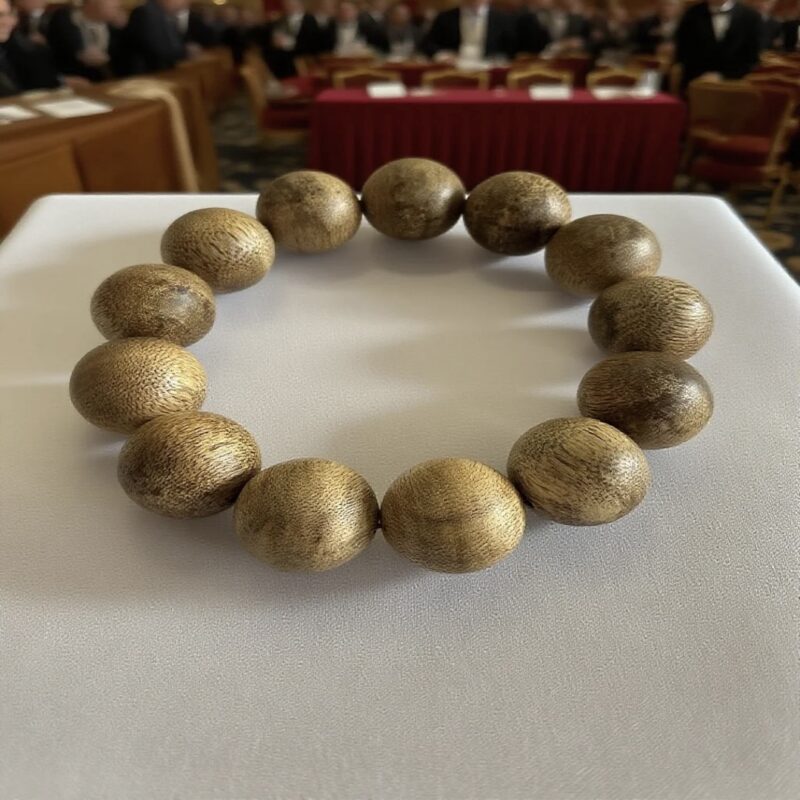
Agarwood develops its unique grain patterns through a slow, organic process. When the Aquilaria tree is infected by fungi or insects, it produces resin as a defense mechanism. Over decades, this resin seeps into the wood, creating irregular streaks and swirls that vary in color and density. Unlike synthetic materials, which often feature repetitive or uniform designs, natural agarwood grain tells a story of environmental interaction and time.
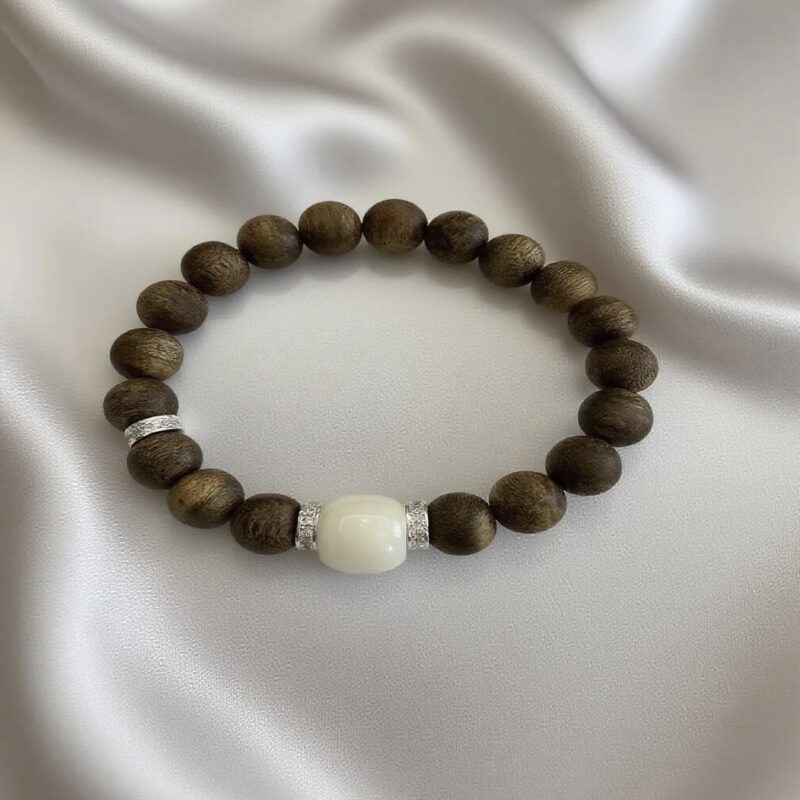
Look for patterns that appear asymmetrical and fluid, with no two sections looking identical. Authentic grain may include subtle variations in color, from deep amber to light honey, interspersed with darker resin deposits. These inconsistencies are hallmarks of genuine wood, as no two trees or infection processes produce the same result.
Key Grain Features to Look For
Organic Flow and Irregularity
Natural agarwood grain should never look mechanical or forced. Instead, it should resemble the movement of water or smoke—fluid and unpredictable. Check for:
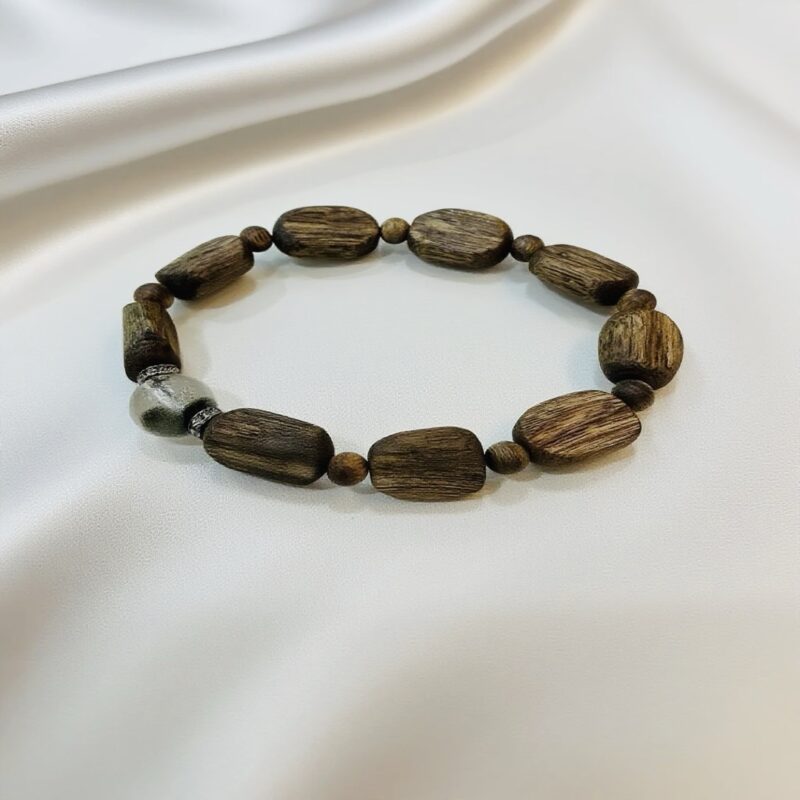
- Swirling Patterns: Genuine agarwood often displays circular or wavy grain lines that seem to “flow” across the wood’s surface. These are created by resin moving through the wood’s fibers over time.
- Interrupted Lines: Authentic grain may have breaks or shifts in direction, indicating natural variations in resin distribution. Synthetic or treated wood typically has continuous, unbroken lines.
- Depth and Dimension: High-quality agarwood grain appears three-dimensional, with some streaks appearing closer to the surface and others receding into the wood. This effect is difficult to replicate artificially.
Color Variations and Resin Deposits
The interplay between wood and resin creates a spectrum of colors in agarwood. Focus on:
- Amber and Honey Tones: Natural resin deposits often appear as golden or amber-colored streaks against a darker wood background. These hues should look warm and organic, not flat or overly vibrant.
- Dark Resin Pockets: Some areas may have concentrated resin, appearing almost black or deep brown. These pockets should be irregular in shape and size, not uniformly distributed.
- Subtle Transitions: The shift between wood and resin should be gradual, with no sharp edges or abrupt color changes. This blending effect is a sign of slow, natural resin formation.
Common Fake Grain Patterns to Avoid
Perfectly Symmetrical Designs
Machines or molds are often used to create fake agarwood, resulting in grain patterns that are too uniform or symmetrical. If every bead on a bracelet has identical streaks, it’s likely artificial. Natural agarwood grain varies from bead to bead, even within the same piece.
Overly Bold or Artificial Colors
Some sellers use dyes or chemical treatments to enhance agarwood’s appearance. Be wary of:
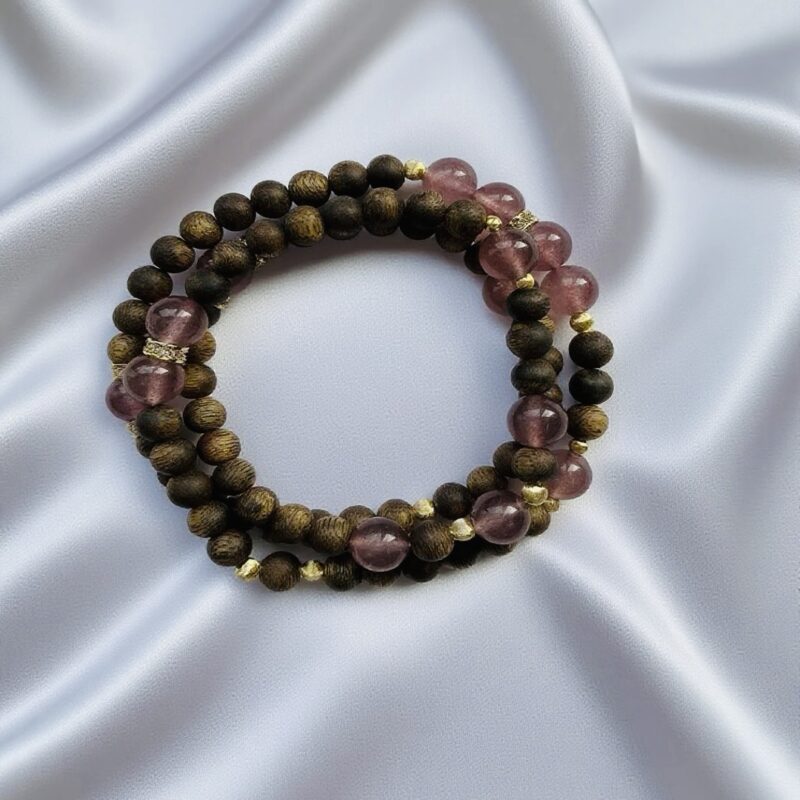
- Unnatural Hues: Bright reds, blues, or greens are never found in genuine agarwood. Stick to earthy tones like brown, amber, and black.
- Uniform Color Distribution: Real agarwood has a mottled appearance, with resin streaks contrasting against the wood’s base color. Fake versions may look “painted” or evenly colored throughout.
Lack of Depth or Texture
Fake agarwood often feels smooth and flat to the touch, lacking the tactile complexity of genuine wood. Press your fingernail gently into the surface:
- Authentic Agarwood: Will dent slightly before rebounding, with a waxy, cool feel.
- Fake Agarwood: May feel hard or plasticky, with no give when pressed.
Advanced Techniques for Grain Verification
Using Light to Examine Grain
Hold the bracelet under a bright light and rotate it slowly. Natural agarwood grain will reveal hidden details:
- Translucent Resin: Some resin deposits may appear slightly translucent, glowing amber when light passes through them.
- Fiber Visibility: In thinly sliced areas, you may see the wood’s natural fibers running alongside resin streaks. This layering effect is difficult to fake.
The “Scratch Test” for Surface Analysis
Gently scrape a small, inconspicuous area with a clean knife or fingernail:
- Authentic Agarwood: Will release a faint, woody aroma and may leave a light-colored shaving. The grain beneath should remain intact, with no flaking or discoloration.
- Fake Agarwood: May produce no scent or a chemical odor. The surface might chip or flake, revealing a different material underneath.
Matching Grain to Agarwood Origin
Different regions produce agarwood with distinct grain characteristics. While this guide focuses on general identification, understanding regional traits can add context:
- Southeast Asian Agarwood: Often features dense, swirling grain with prominent resin pockets.
- Indian Agarwood: May have finer, more delicate grain patterns with subtle color variations.
Regardless of origin, the principles of natural irregularity and organic flow remain consistent. Trust your instincts—if a pattern looks too perfect or artificial, it probably is.
By mastering these grain identification techniques, you can confidently distinguish authentic agarwood bracelets from imitations, ensuring your purchase is both beautiful and genuine.