
Identification of the aroma of agarwood bracelets

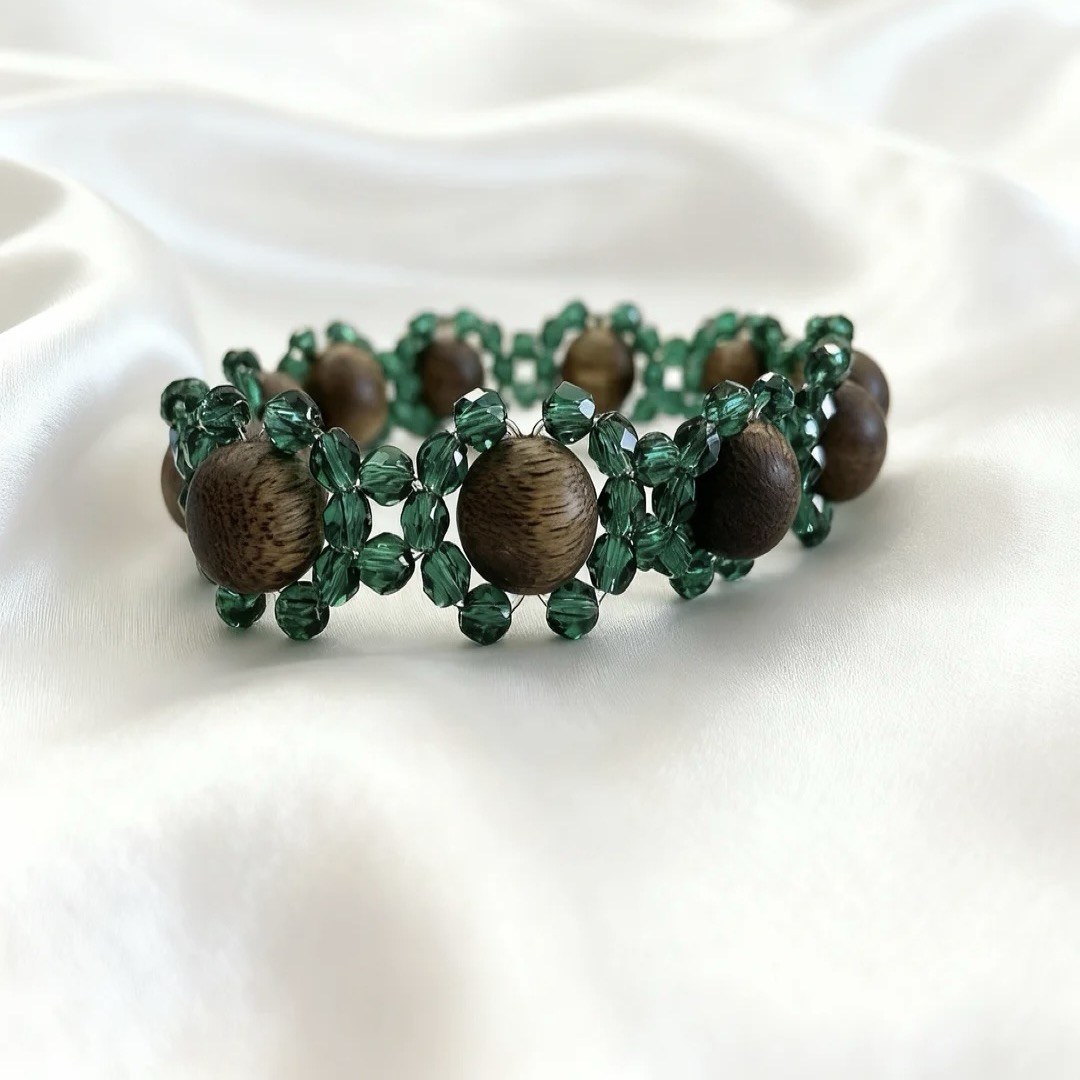
How to Identify Authentic Agarwood Bracelets Through Scent Analysis: A Sensory Guide
Agarwood’s allure lies in its complex, layered fragrance, which develops over decades as resin interacts with wood fibers. Unlike synthetic scents, genuine agarwood emits a nuanced aroma that evolves with temperature, time, and wear. This guide explores how to distinguish real agarwood bracelets from fakes by analyzing their scent profiles, intensity, and longevity.
The Science Behind Agarwood’s Aroma
Agarwood’s fragrance comes from a blend of volatile organic compounds (VOCs) produced during resin formation. These compounds include sesquiterpenes, phenolic ethers, and aromatic alcohols, which create its signature woody, sweet, and sometimes medicinal notes.
Natural vs. Artificial Scent Development
Authentic agarwood develops its aroma slowly. Young trees or low-grade pieces may have subtle scents, while high-quality, aged agarwood releases deeper, richer fragrances. Counterfeits rely on chemical additives, which often smell overly strong or one-dimensional from the start.
Environmental Factors Influencing Scent
Soil quality, humidity, and fungal strains affect resin composition, leading to regional scent variations. For example, agarwood from Southeast Asia may smell sweeter, while Middle Eastern varieties lean toward spicy or balsamic notes. Understanding these traits helps spot inconsistencies in fake pieces.
Key Scent Characteristics of Genuine Agarwood
Authentic agarwood bracelets exhibit three distinct fragrance stages: initial, middle, and lingering notes. Each stage reveals clues about quality and authenticity.
1. Initial Notes: First Impressions Matter
When first worn or warmed by hand friction, real agarwood releases a mild, earthy scent. Common initial notes include:
- Fresh wood: A clean, slightly sweet aroma reminiscent of damp forest floors.
- Herbal undertones: Hints of camphor, mint, or licorice, depending on regional resin compounds.
- Subtle spiciness: Warm, peppery accents in some varieties.
Fakes often start with overpowering sweetness or chemical odors, lacking natural complexity.
2. Middle Notes: The Heart of the Fragrance
As the bracelet warms, middle notes emerge, revealing the agarwood’s true character. Authentic pieces may display:
- Rich woody tones: Deep, resinous scents akin to cedar or sandalwood.
- Floral hints: Jasmine, rose, or honeysuckle notes in higher-grade agarwood.
- Balsamic sweetness: A warm, amber-like aroma that balances the woodiness.
If the middle notes smell synthetic or fail to evolve from the initial scent, the piece is likely fake.
3. Lingering Notes: The Final Test
After removal, genuine agarwood leaves a faint, pleasant trail that lasts hours or even days. This “dry-down” phase should maintain its complexity, with notes of:
- Cool menthol: A refreshing, lingering coolness in some varieties.
- Smoky leather: A subtle, aged quality reminiscent of well-worn leather.
- Vanilla-like sweetness: A soft, creamy finish in high-resin pieces.
Fakes lose their scent quickly or leave a chemical aftertaste on the skin.
Common Fake Scent Profiles to Avoid
Counterfeiters use cheap perfumes, essential oils, or industrial adhesives to mimic agarwood’s aroma. Here’s how to spot them:
1. Overly Sweet or Fruity Scents
Authentic agarwood rarely smells candy-like or overly fruity. If a bracelet emits strong vanilla, cherry, or coconut notes, it’s likely infused with synthetic fragrances.
2. Chemical or Burnt Odors
Heating a fake agarwood bracelet (e.g., with a warm needle) may release acrid, plastic-like smells or the scent of burning rubber. Real agarwood produces a clean, woody aroma when heated gently.
3. Uniform, Unchanging Scents
Natural agarwood’s fragrance shifts with temperature and time. If a bracelet smells identical in cold and warm environments or after hours of wear, it’s probably artificial.
Advanced Techniques for Scent Verification
For uncertain cases, these methods provide definitive answers.
Smell Test Under Different Conditions
- Cold test: Place the bracelet in a cool environment (e.g., a fridge) for 10 minutes. Authentic agarwood’s scent will be subdued but still detectable. Fakes may lose their fragrance entirely.
- Heat test: Rub the bracelet vigorously between your palms or hold it close to your nose after wearing it for a few minutes. Real agarwood’s aroma should intensify naturally, while fakes may smell burnt or artificial.
Layered Scent Analysis
Genuine agarwood’s fragrance has depth. Sniff the bracelet from different angles:
- Close sniff: Detect initial notes.
- Arm’s length: Identify middle notes.
- After removal: Notice lingering traces.
If the scent profile remains flat at all distances, it’s likely fake.
Time-Based Scent Evolution
Track how the aroma changes over days or weeks. Authentic agarwood becomes more aromatic with wear as body oils interact with the resin. Fakes may fade, turn rancid, or smell the same indefinitely.
Practical Tips for Buyers
- Avoid “instant fragrance”: Real agarwood’s scent builds gradually.
- Test in natural light: Artificial lighting can distort scent perception.
- Ask for a “sniff test” guarantee: Reputable sellers should allow you to return pieces if the scent doesn’t match expectations.
By mastering scent analysis, you can confidently identify genuine agarwood bracelets. Remember: nature’s fragrances are never perfect—they’re alive, evolving, and uniquely imperfect.