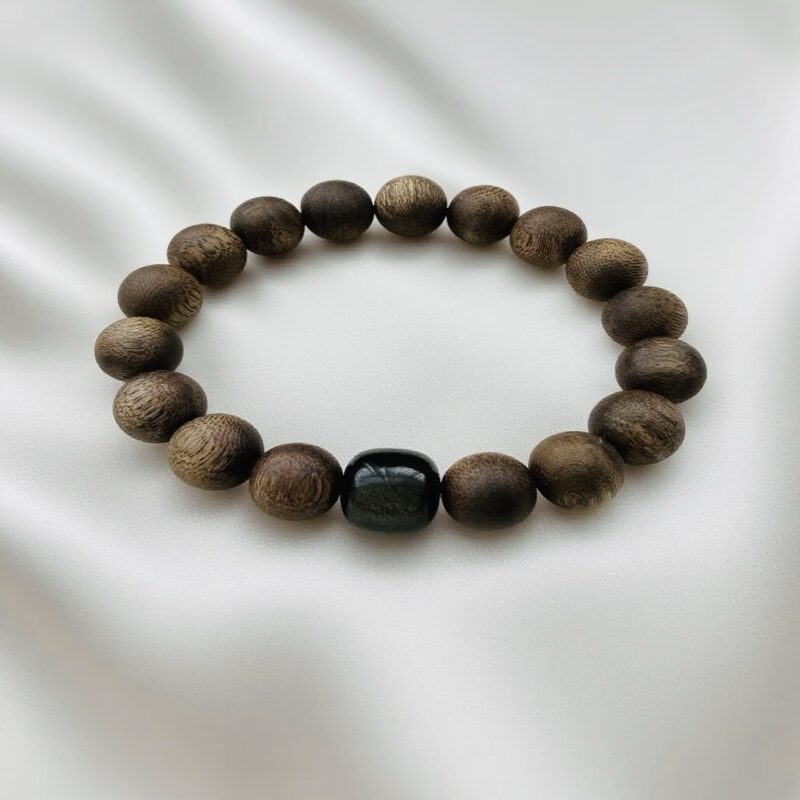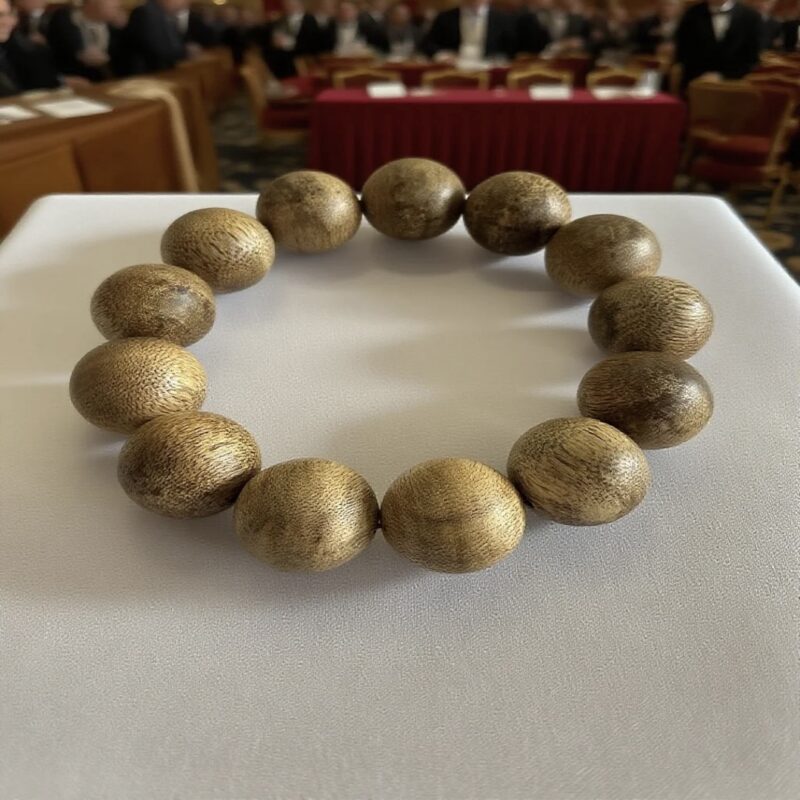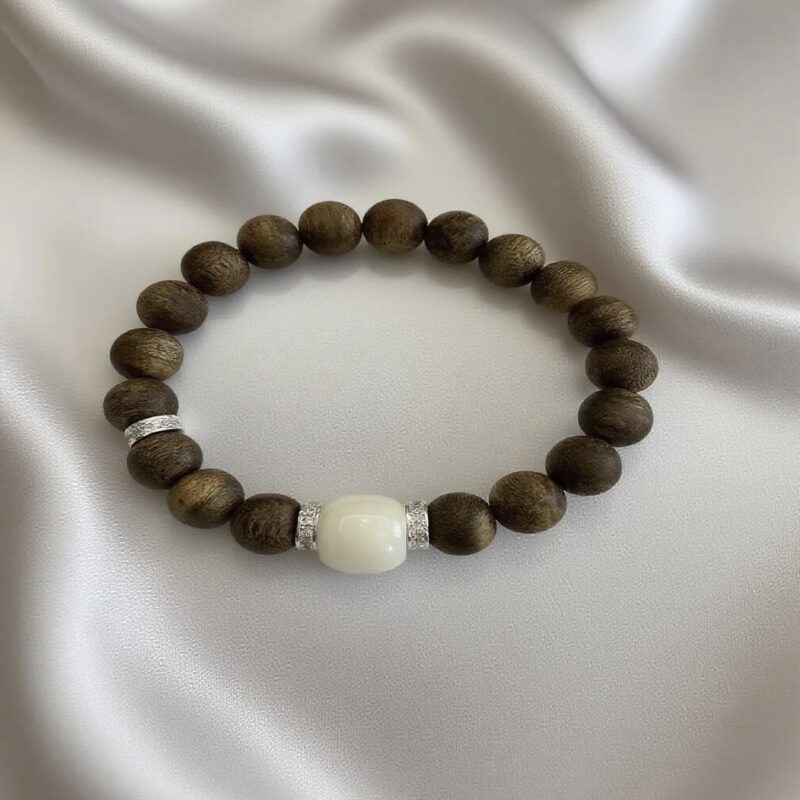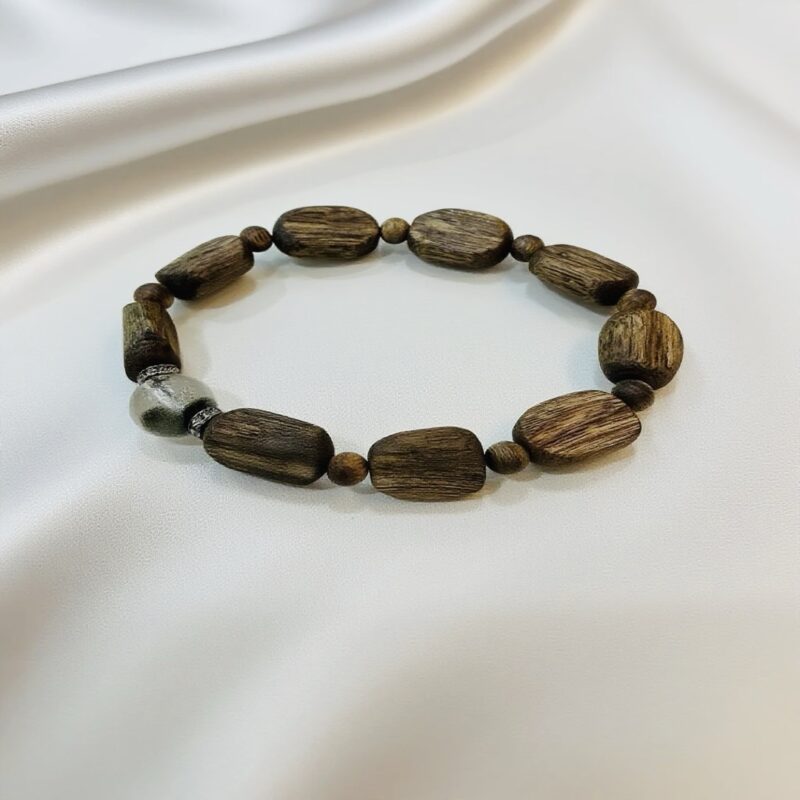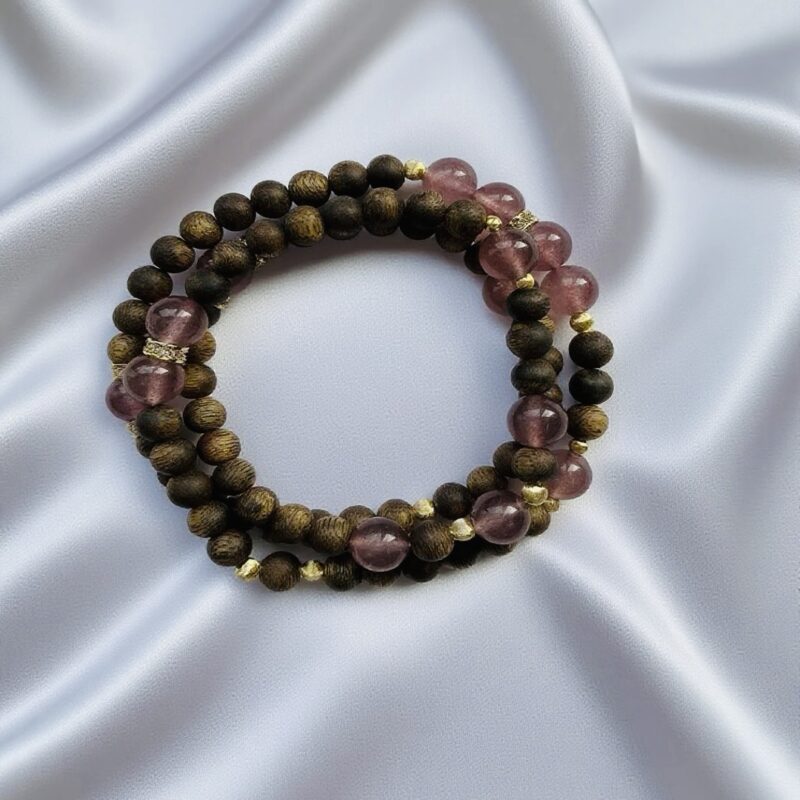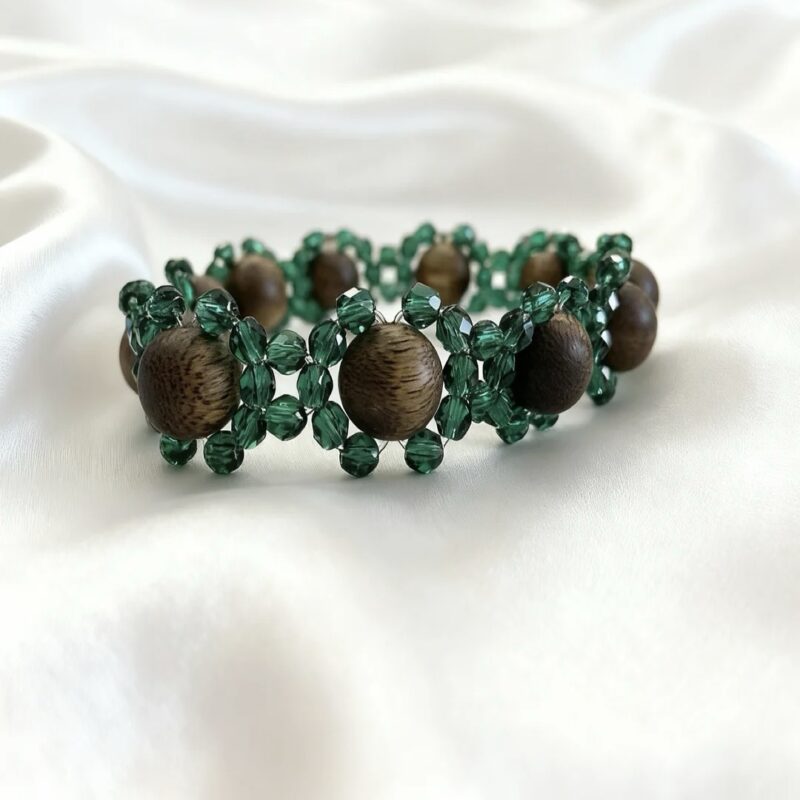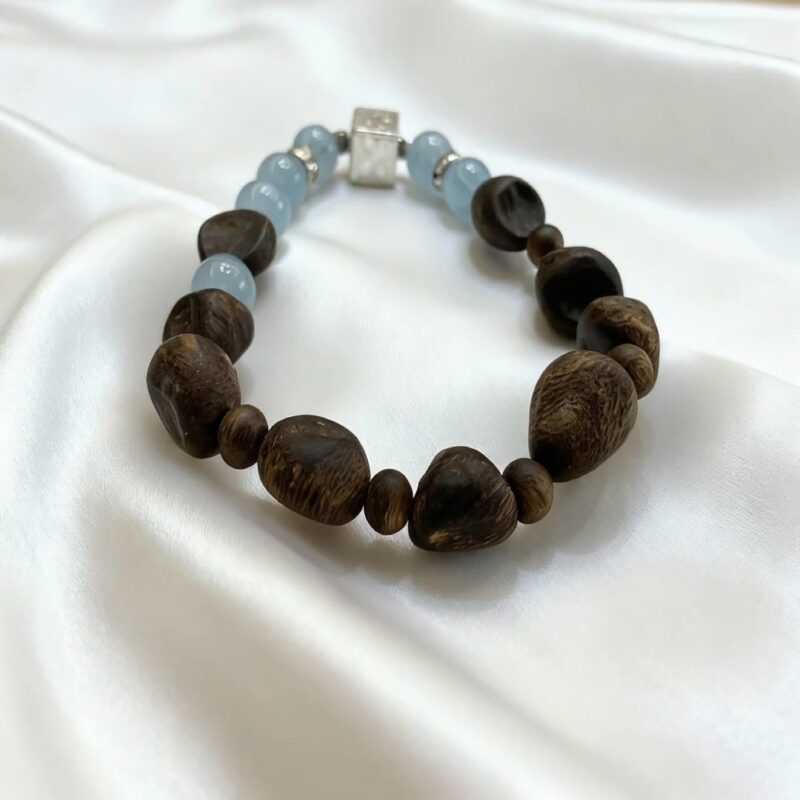

Identification of natural agarwood bracelets


How to Identify Authentic Natural Agarwood Bracelets: A Comprehensive Guide
Agarwood, a rare and precious material formed through the natural interaction of resin and wood in Aquilaria trees, has been highly valued for centuries. However, the market is flooded with counterfeits, making it essential to master identification techniques. This guide provides practical methods to distinguish genuine agarwood bracelets from fakes, focusing on structural, sensory, and physical characteristics.
Visual Inspection: Decoding the Wood’s Inner Structure
The most reliable way to verify authenticity begins with examining the bracelet’s cross-section under magnification or natural light. Authentic agarwood reveals three distinct features:
1. Sclerenchyma (Oil Lines)
Genuine agarwood contains elongated, eye-like structures called sclerenchyma, which appear as dark, thread-like patterns. These oil lines are irregularly distributed and vary in thickness, reflecting the tree’s natural healing process. Counterfeits often display uniform, artificially drawn lines or lack these structures entirely, indicating dye injection or synthetic materials.
2. Vessels (Natural Channels)
Agarwood’s vessels, responsible for nutrient transport, manifest as tiny, irregularly shaped pores. These pores are rarely perfectly aligned and may appear faded or clustered in some areas. Fake versions use laser engraving or chemical treatments to mimic vessels, resulting in overly symmetrical or overly prominent holes that lack natural variation.
3. Ray Structures
Fine, hair-like lines radiating perpendicular to the oil lines are a hallmark of real agarwood. These rays, visible under magnification, create a layered, organic texture. Synthetic alternatives often lack this intricate patterning, appearing flat or overly polished.
Sensory Evaluation: Trusting Your Nose and Touch
Beyond visual cues, sensory analysis plays a critical role in identification.
The Aroma Test: Subtlety Over Intensity
Natural agarwood emits a complex, layered fragrance that evolves over time. Initial scents may resemble medicinal herbs, wood, or floral notes, becoming richer with warmth from hand friction or body heat. Key indicators of authenticity include:
- Gradual Release: Genuine agarwood’s scent strengthens slowly, unlike fakes that blast overpowering artificial fragrances immediately.
- Longevity: A real bracelet retains its aroma for hours or days, while counterfeits lose their scent within minutes.
- Multi-Dimensional Notes: High-quality agarwood reveals different scent profiles at various stages (e.g., initial sweetness, middle woody tones, lingering coolness).
Beware of bracelets with overly sweet, chemical-like odors or those that smell identical to perfume—these are red flags for synthetic additives.
The Touch Test: Balancing Weight and Texture
Authentic agarwood feels neither too heavy nor too light. Its density correlates with oil content: higher oil levels increase weight, but excessive heaviness may indicate lead injection or resin compression. Key tactile clues include:
- Oily Coolness: Real agarwood has a slightly sticky, cool surface due to natural resin secretion.
- Smooth Resistance: When rubbed, genuine pieces generate a faint, pleasant friction without leaving residue on hands.
- Temperature Adaptation: Agarwood warms gradually when worn, unlike plastics or coated fakes that remain cold or overly slippery.
Advanced Verification: Thermal Response and Long-Term Changes
For uncertain cases, thermal testing provides definitive answers.
Heat-Induced Fragrance Release
Gently heating a small section (e.g., via a warm needle) should produce a clean, woody aroma. Authentic agarwood emits a single, pure scent, while fakes release burnt plastic or chemical odors. Avoid direct flames to prevent damage.
Wear-and-Tear Analysis
Natural agarwood darkens and develops a glossy patina over time as oils oxidize and interact with skin oils. Counterfeits may fade, peel, or retain a static appearance despite prolonged use.
Common Pitfalls and Expert Tips
- Color Myths: Not all agarwood is black. Authentic pieces range from light brown to deep amber, with darker hues developing gradually through wear.
- Perfection Traps: Avoid bracelets with flawlessly uniform patterns or colors—natural wood always has imperfections.
- Regional Variations: Different origins (e.g., Vietnamese, Indonesian, Cambodian) produce distinct scents and textures. Familiarize yourself with regional traits to spot inconsistencies.
By combining structural analysis, sensory evaluation, and thermal testing, you can confidently identify genuine agarwood bracelets. When in doubt, consult certified appraisers or laboratories equipped with microscopic imaging and gas chromatography tools for irrefutable proof.