
PHILOSOPHY OF FRAGRANCE (I)

Philosophy of Fragrance: From the “Incense Route” to “Eastern Aromas”
1. **Historical Spice Trade**
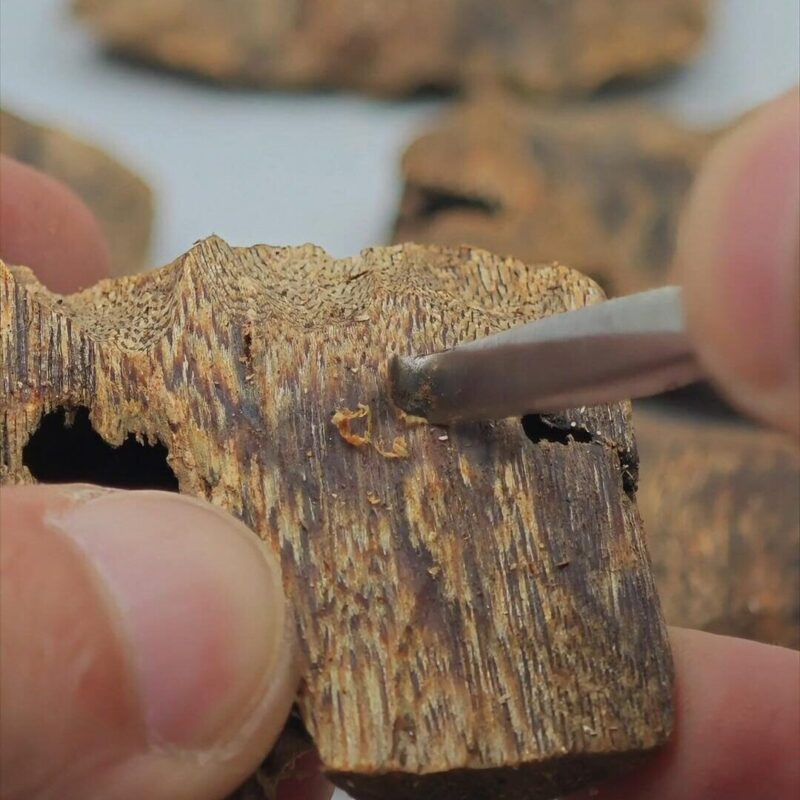
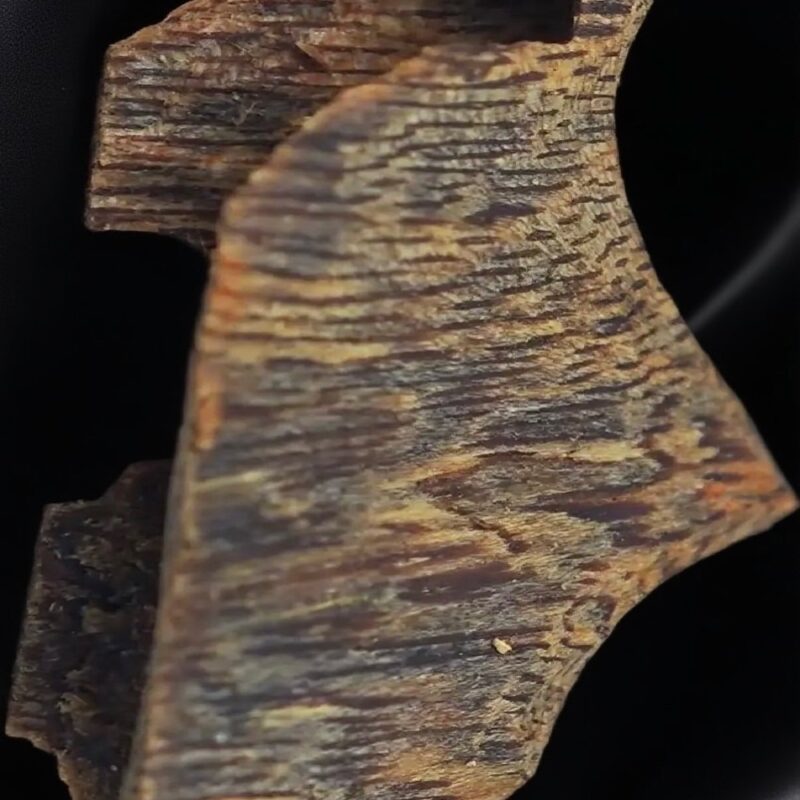
Thousands of years ago, Arab merchants rode camels across the Taklamakan Desert, packing
China’s ‘Agarwood’ (known as Kynam in ancient times) along with frankincense and myrrh into
leather bags. When they opened the bags in the markets of Damascus, the coolness of Kynam
intertwined with the warmth of frankincense, instantly infusing the desert winds with the
essence of Eastern mysteries. In the story of Sinbad’s seventh voyage in “One Thousand and One
Nights,” it is recorded that ‘the black fragrant wood of the Eastern islands can bring the dead
back to life’; that legendary fragrant wood is none other than China’s Kynam agarwood.
2. **Grades of Spices**
In the Arab spice hierarchy, Kynam is like the ‘Mecca meteorite of spices’—it is a sacred
object refined by nature, akin to how date honey crystallizes in the desert, with only a few pieces
found among thousands of trees, its rarity comparable to the green tears of frankincense from
Yemen. If Arab rose perfume is the ‘veil of the desert bride,’ then Kynam is the ‘headscarf of the
Eastern sage’—both rich in the sediment of sunlight and time, yet imbued with the depth of
rainforest mysteries.